PBT vs PA Toothbrush Filaments: Performance, Cost and Applications
- Share
- Issue Time
- Oct 9,2026
Summary
Compare PBT, PA612, and PA610 toothbrush filaments by performance, moisture stability, cost, durability, applications, and supplier selection.
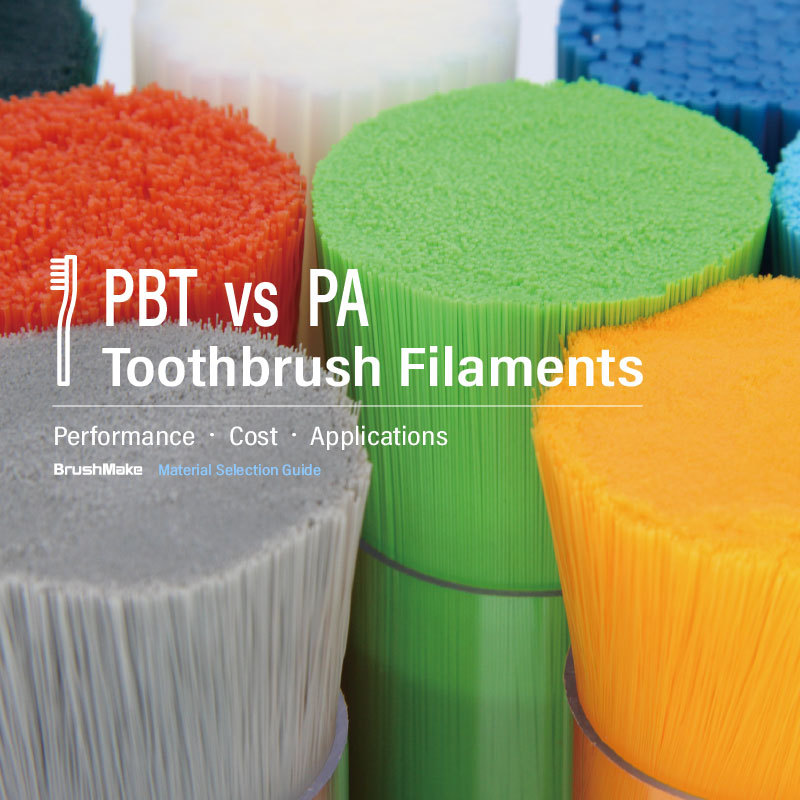
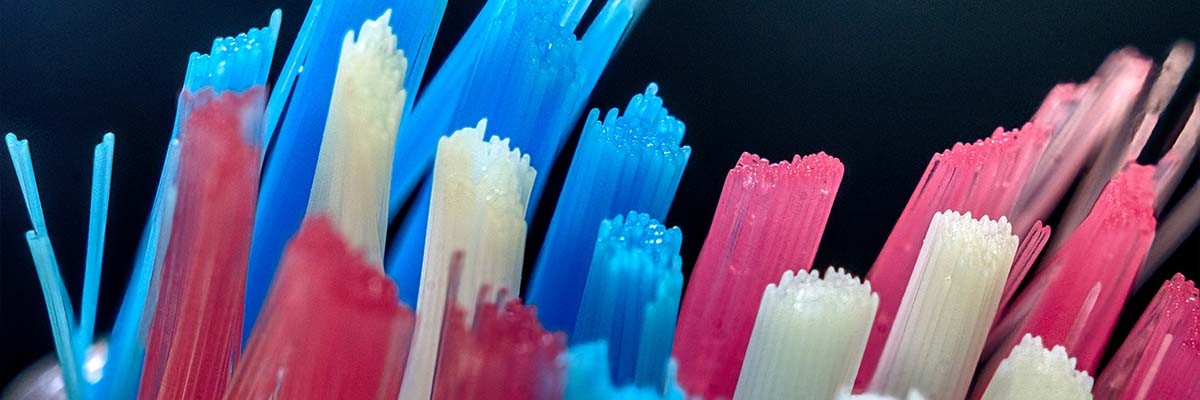
toothbrush filament
For toothbrush manufacturers, filament selection affects brushing feel, wet stability, elastic recovery, tufting efficiency, durability, product positioning, and cost. This article compares PBT, PA612, and PA610 for factories, OEM/ODM producers, oral-care brands, and procurement teams.
The correct choice depends on the finished brush. Diameter, cut length, taper, cross-section, tuft density, anchoring, and machine settings can change performance. Supplier data supports initial screening, but production-line samples are needed before bulk approval.
Practical Material Differences
PBT toothbrush filaments are commonly selected for their low moisture uptake, chemical resistance, and dimensional stability. They can be produced in tapered or non-tapered forms for different toothbrush designs. The appropriate PBT specification depends on the required stiffness, brushing feel, recovery, wear resistance, filament geometry, and tufting process, so production-line sample testing is recommended before bulk purchasing.
PA612 toothbrush filaments are long-chain nylon filaments commonly selected for applications requiring soft contact, flexibility, elastic recovery, and stable performance in humid or wet-use conditions. Depending on the supplier and production requirements, available options may include customized colors, cut lengths, cross-sections, and straight or crimped forms. A typical specification range may extend from approximately 0.13 to 0.25 mm in diameter, but the actual range, tolerance, shape, and customization options should be confirmed for each project.
PA610 toothbrush filaments provide a balanced nylon option when flexibility, elastic recovery, moisture behavior, durability, and cost control are all important. They may be suitable for manufacturers seeking reliable nylon performance without requiring the full performance positioning of PA612. However, PA610 should not be treated as a direct replacement for PA612 without validation. Even when diameter, cut length, and tuft configuration are identical, differences in material behavior may affect brushing feel, stiffness, recovery, tufting performance, and finished-brush durability. Comparative sample testing is therefore recommended before final material approval.
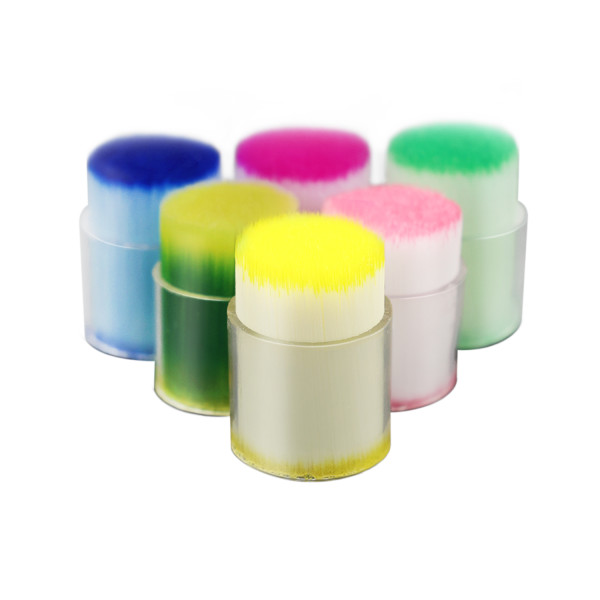
PBT Filament for Toothbrush
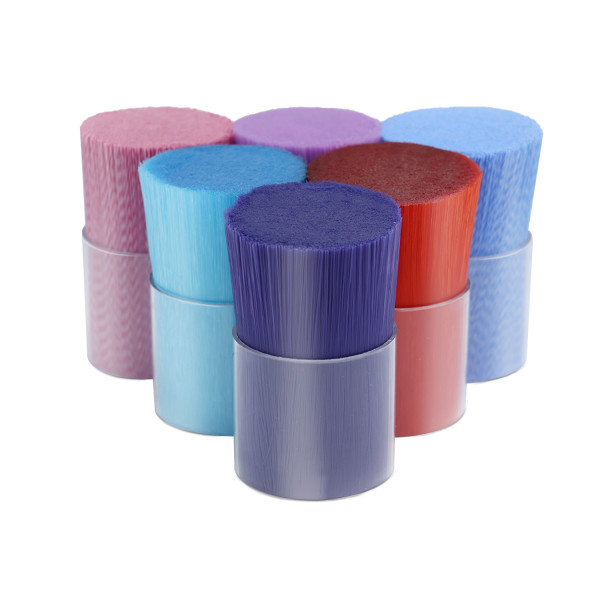
PA612 Filament for Toothbrush
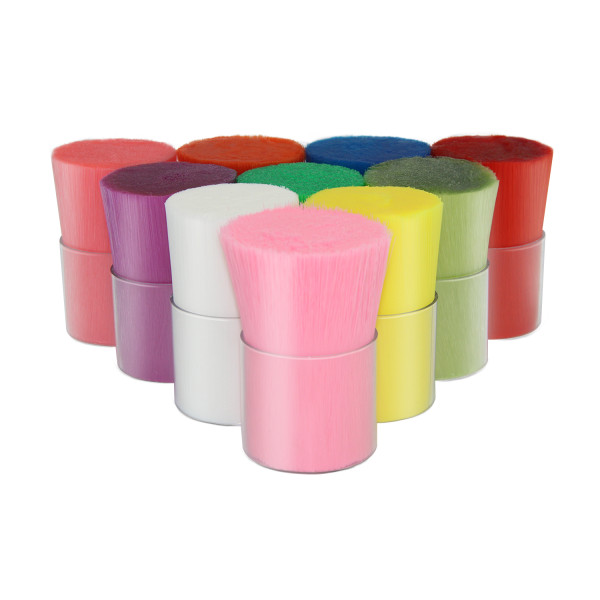
PA610 Filament for Toothbrush
Performance Comparison
| Factor | PBT | PA612 | PA610 | Verify |
| Flexibility/stiffness | Controlled; geometry is decisive. | Soft and flexible. | Balanced nylon flexibility. | Finished tuft feel. |
Recovery | Stable when matched correctly. | Suited to flexible designs. | Balanced recovery and cost. | Repeated bending. |
Moisture | Commonly selected for low uptake. | Less sensitive than many conventional nylons. | More stable than higher-absorption grades. | Same conditioning method. |
| Wear/production | Confirm for grade and cycle. | Soft and durable design option. | Balanced everyday option. | Splaying, waste, rejects. |
| Cost | Potentially stable cost-performance. | May support premium positioning. | May control cost when PA612 is unnecessary | Total cost. |
These are qualitative guidelines, not universal rankings. Compare materials with the same brush design, geometry, process settings, and test method.
Design, Cost, and Selection
Material alone does not determine brushing performance. Diameter affects stiffness and tuft quantity; taper changes tip structure; cross-section affects bending and contact; cut length, tuft height, density, and anchoring determine the finished head. For soft-care products, compare PA612 with suitable tapered PBT. For everyday manual brushes, evaluate PA610 and PBT. For electric heads, test vibration, repeated bending, moisture exposure, trimming, and anchoring on the intended equipment. These are manufacturing considerations, not clinical claims.
The lowest price per kilogram is not necessarily the lowest finished-product cost. Before comparing PBT vs PA toothbrush filament cost, assess material consumption, tufting efficiency, waste, rejected heads, qualification, inspection, and product positioning. Density, diameter, cut length, tuft quantity, machine adjustment, jams, and quality variation can change the result. Test technically suitable materials in the same brush design, record consumption and losses, and compare quotations with measured results.
A practical selection process is:
1. Define the brush: soft manual, adult, children's, premium, disposable, or electric.
2. Define target feel, stiffness, recovery, wet stability, durability, tip condition, and volume.
3. Specify diameter and tolerance, cut length, straight or tapered form, cross-section, and color.
4. Test feeding, trimming, anchoring, waste, and finished-brush results on the intended line.
5. Compare material, processing, rejection, qualification, delivery, and repeat-order costs.
How BrushMake Supports Selection
BrushMake's official toothbrush filament application guide covers manual and electric toothbrush manufacturing and identifies PA612, PA610, PBT, and PP for different oral-care applications. Its PA612 brush filament and PA610 brush filament pages describe application-based selection, customized specifications, sampling, and quotation support. The BrushMake homepage provides the wider filament range.
Submit the application, performance target, dimensions, volume, and test conditions. Confirm project-specific availability, tolerance, delivery, and compliance requirements with BrushMake's technical and commercial teams. Final approval should rely on documented sample results.
Frequently Asked Questions
What is the main difference between PBT and PA toothbrush filaments?
PBT is generally evaluated for low moisture absorption and controlled stiffness. PA612 is commonly considered for soft, flexible designs, while PA610 targets balanced nylon performance and cost.
Is PBT or PA612 better for toothbrush manufacturing?
Neither is universally better. PBT may suit stable, moisture-resistant designs; PA612 may suit soft, flexible, premium-oriented products. Compare samples in the actual brush head.
How does PA610 compare with PA612?
PA612 emphasizes softness, recovery, and premium performance. PA610 balances flexibility, wet behavior, durability, and cost. Confirm suitability through comparable samples.
Which material has lower moisture absorption?
PBT is generally selected for very low moisture uptake. PA612 and PA610 are less moisture-sensitive than many conventional nylon grades. Confirm data under the same conditions.
Is PBT always cheaper than nylon?
No. Consumption, processing, waste, qualification, inspection, and delivery affect total cost. A higher unit price may be economical if it reduces production losses.
What affects total production cost?
Grade, volume, diameter, cut length, taper, cross-section, machine compatibility, waste, rejection, testing, packaging, logistics, and repeat-order conditions all matter.
What is needed for a customized sample request?
Provide the application, material preference, diameter, cut length, straight or tapered form, cross-section, color, target feel, quantity, market, test plan, and schedule. A reference brush can replace missing details.
Conclusion
Select PBT, PA612, or PA610 by matching material behavior to the finished toothbrush, production process, and commercial target. Screen performance and tufting compatibility, then confirm the choice through controlled samples and total-cost analysis. Contact BrushMake to discuss recommendations, customized filaments, samples, and quotations.