Nylon vs PBT Toothbrush Filaments: Which Is Better for Your Product?
- Share
- Issue Time
- May 29,2026
Summary
Compare Nylon and PBT toothbrush filament performance, softness, durability, water absorption and cost to choose the best material for your toothbrush products.
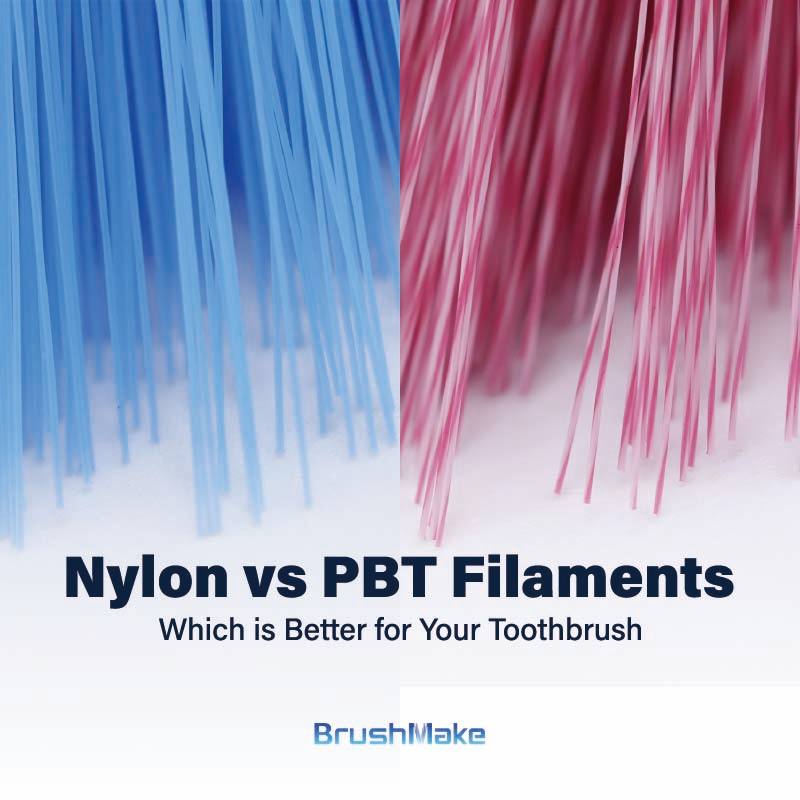
Choosing the right toothbrush filament is one of the most important decisions when developing a toothbrush. The filament directly affects cleaning performance, user comfort, durability, and production efficiency.
Many manufacturers compare Nylon and PBT when selecting materials. However, the real question is not which material is better overall. Instead, manufacturers should ask which material is more suitable for their target users and product positioning.
Brushmake work with oral care brands and toothbrush manufacturers worldwide. Based on our experience in toothbrush filament production, both Nylon and PBT offer valuable advantages when used in the right applications.
Understanding Toothbrush Filament Materials
A toothbrush filament is the core functional component of a toothbrush. While consumers often focus on handle design or packaging, professional manufacturers understand that brushing performance largely depends on filament quality.
High-quality toothbrush bristles should provide:
· Consistent flexibility
· Effective plaque removal
· Gentle gum contact
· Long-term bending recovery
· Stable performance in wet environments
Among them, Nylon and PBT dominate the global oral care market because of their balanced mechanical properties and manufacturing compatibility.
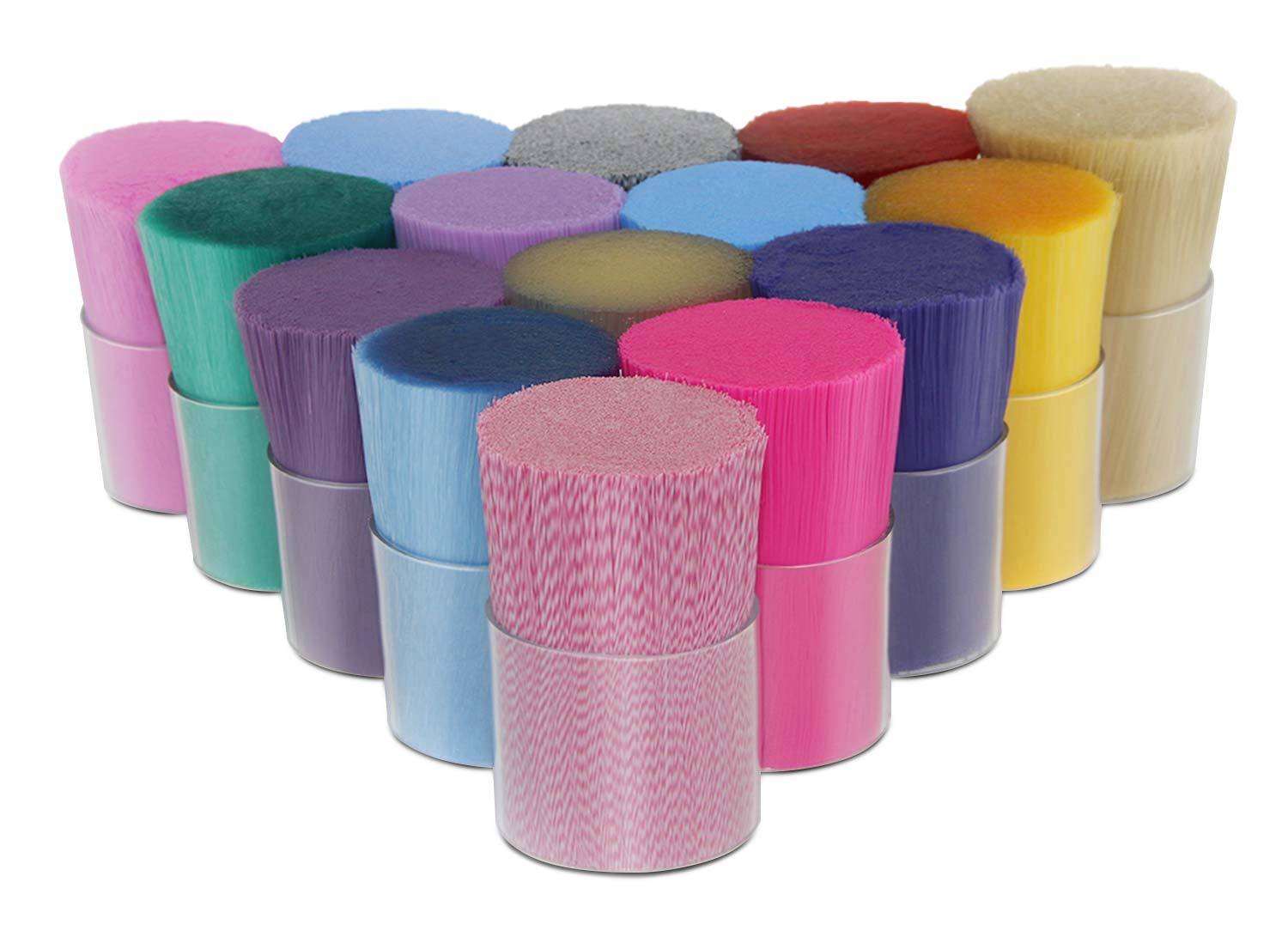
Toothbrush Bristle Material Combinations
Understanding Nylon Toothbrush Filaments
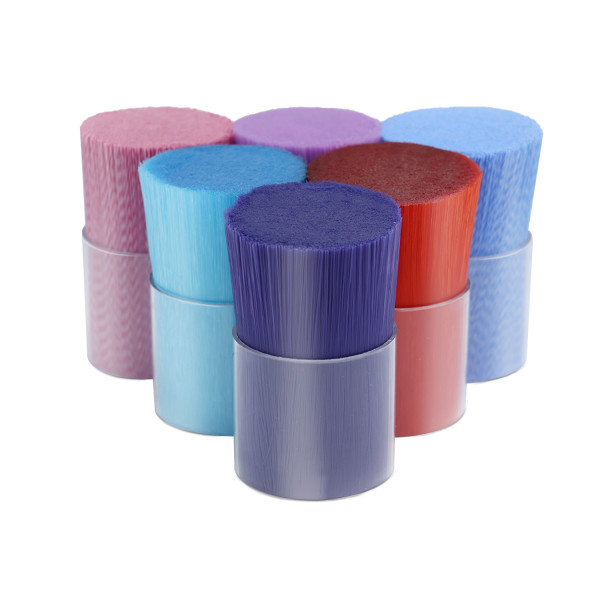
Nylon toothbrush bristles have been used in toothbrush manufacturing for decades. They are known for their flexibility, durability, and comfortable brushing feel.
Modern toothbrushes commonly use Nylon 610 or NYLON 612 FILAMENT, both of which provide excellent performance for daily oral care.
Advantages of Nylon
· Excellent flexibility
· Strong bend recovery
· Good wear resistance
· Comfortable brushing experience
· Suitable for fine and tapered filaments
Because of these characteristics, Nylon is often selected for premium toothbrushes and electric toothbrush heads.
Common Applications
Nylon toothbrush bristles are frequently used in:
· Premium manual toothbrushes
· Electric toothbrushes
· Sensitive gum toothbrushes
· Professional dental care products
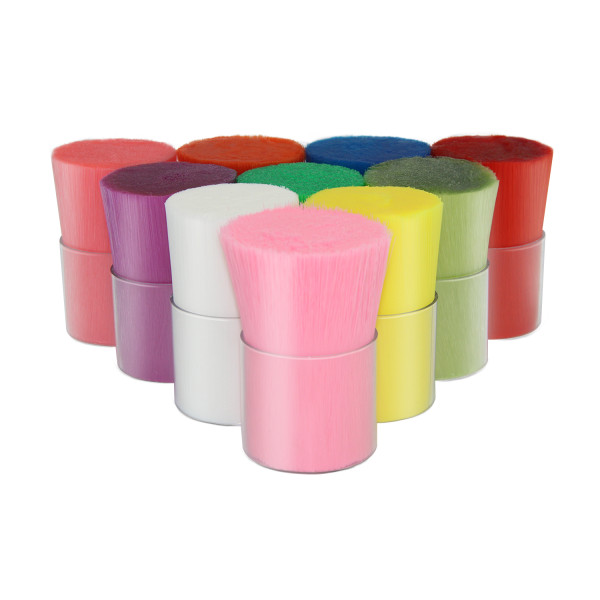
Understanding PBT Toothbrush Filaments
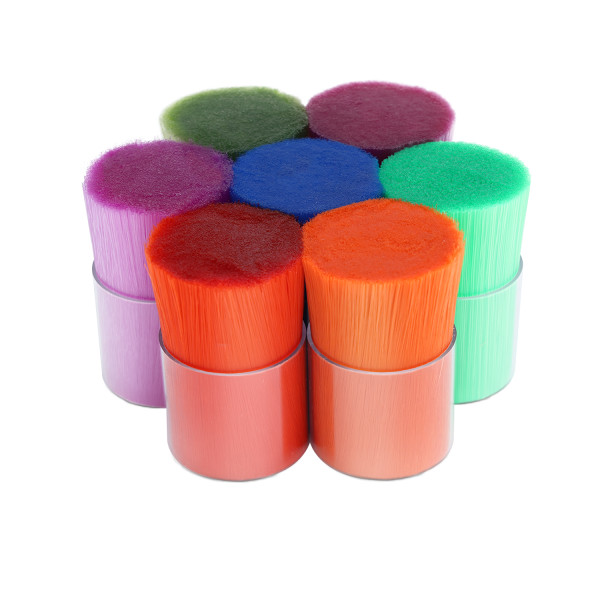
PBT is another popular material used in toothbrush manufacturing. It offers excellent stability and low moisture absorption.
Compared with Nylon, PBT maintains more consistent properties when exposed to humid environments.
Advantages of PBT
· Very low water absorption
· Stable filament performance
· Excellent production consistency
· Good chemical resistance
· Competitive cost
These benefits make PBT a practical choice for large-scale toothbrush production.
Common Applications
· PBT is commonly used in:
· Children's toothbrushes
· Hotel toothbrushes
· Travel toothbrushes
· Mass-market oral care products
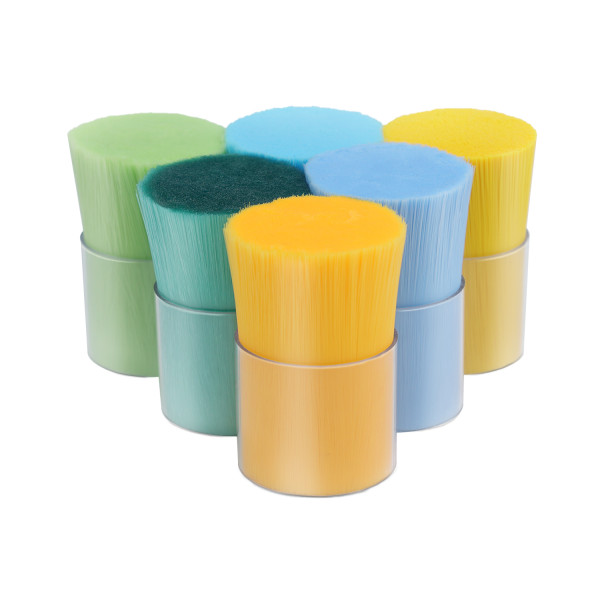
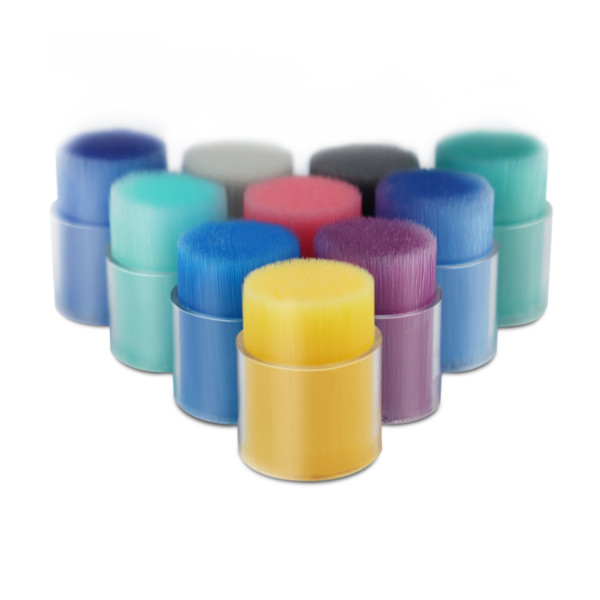
Nylon vs PBT: Key Performance Comparison
This comparison shows that both materials perform well. The best choice depends on the intended application rather than material superiority.
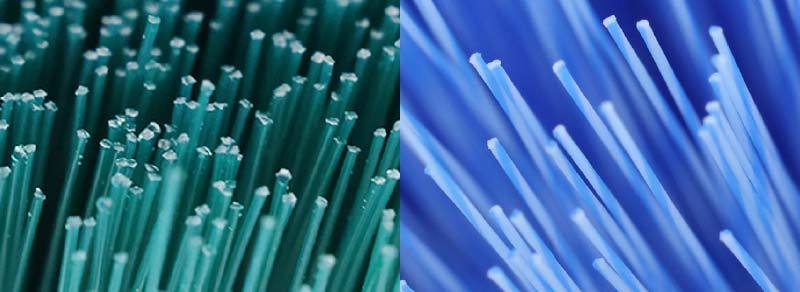
| Property | Nylon | PBT |
| Flexibility | Excellent | Good |
| Bend Recovery | Excellent | Very Good |
| Water Absorption | Low | Very Low |
| Wear Resistance | Excellent | Good |
Production Stability | Very Good | Excellent |
Cost Efficiency | Medium | Good |
Nylon Filaments VS PBT Filaments
Why Nylon 612 Filament is Popular
Among all Nylon grades, NYLON 612 FILAMENT has become a preferred material for high-quality toothbrushes.
Its balanced performance makes it suitable for products that require both comfort and durability.
Key benefits include:
· Lower moisture absorption than standard Nylon
· Excellent flexibility
· Long-lasting brushing performance
· Good compatibility with tapered filament designs
For premium oral care brands, Nylon 612 often provides an ideal balance between performance and consumer comfort.
Why Manufacturers Choose BrushMake
Brushmake specializes in customized toothbrush filament solutions for global toothbrush manufacturers.
Brushmake product range includes:
· Nylon 612 Filament
· Nylon 610 Filament
· PBT Toothbrush Filament
· Tapered Filament
· Custom Colors and Diameters
Rather than recommending one material for every project, Brushmake help customers select the most suitable solution based on product goals, consumer needs, and manufacturing requirements.
When comparing Nylon and PBT toothbrush filaments, there is no universal winner. Both materials offer distinct advantages and are widely used throughout the oral care industry.
Nylon toothbrush bristles, especially NYLON 612 FILAMENT, are often preferred for premium products that require flexibility, comfort, and long-term durability. PBT performs exceptionally well in applications that prioritize production stability, low moisture absorption, and cost efficiency.
The most successful toothbrush manufacturers focus on matching the right toothbrush fiber to the right product. By understanding the strengths of each material, brands can develop toothbrushes that deliver better performance, stronger market positioning, and greater customer satisfaction.