Why Use PET Filament for Brooms and Road Sweepers?
- Share
- Issue Time
- Oct 15,2026
Summary
Learn why PET monofilament suit brooms and road sweepers, with expert guidance on broom filament selection, durability, and testing.
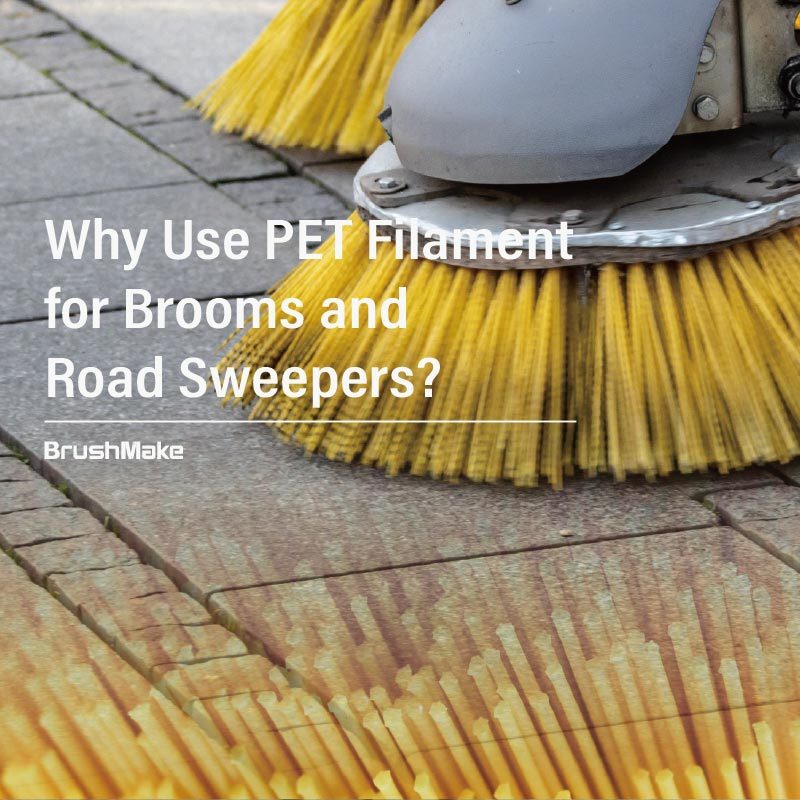
From a professional brush filament manufacturer's technical perspective, PET filament is considered when a broom or road-sweeping brush requires support, toughness, recovery, wear resistance, impact resistance, chemical stability, and production flexibility. Properly specified PET monofilament can form durable plastic broom bristles that move dust, leaves, sand, gravel, and debris while retaining brush shape. Selection should match the surface, design, density, machine, and cost.
What Is PET Monofilament?
PET, or polyethylene terephthalate, is processed into a synthetic single filament, also called PET brush filament or PET synthetic bristle. A technical review should confirm diameter, tolerance, cross-section, straightness, cut length, stiffness, color, and profile.
The term broom filament covers indoor, garden, outdoor, municipal, and industrial brushes. When comparing broom bristles material, fine-dust filament may not support gravel or heavy debris, so selection should follow the application.
Why Consider PET Filament?
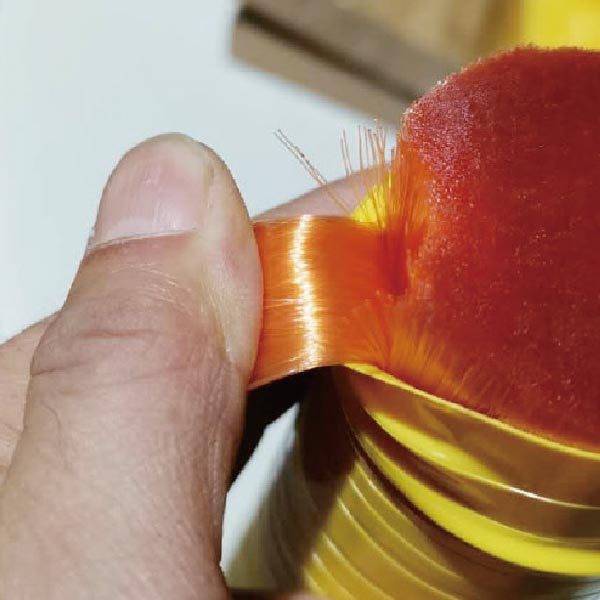
Firm Support and Bend Recovery
If bristles are too soft, they may skim over leaves, sand, or fragments. PET monofilament can provide firmer support in outdoor brooms, heavy-duty tools, and selected road-sweeping brushes. The technical target is the right combination of diameter, stiffness, cut length, profile, and tuft density, not maximum hardness.
Broom filaments bend against floors, pavement, curbs, and debris. A suitable PET grade can recover and maintain brush shape. Recovery should be evaluated in the finished brush because tufting tension, hole size, insertion depth, density, backing, and pressure affect results.
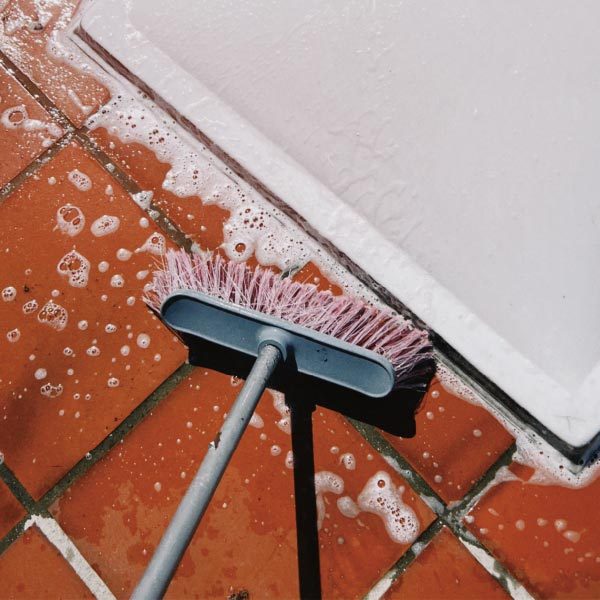
Wear, Impact, and Chemical Stability
For road and industrial brushes, technical evaluation should cover asphalt, concrete, gravel, sand, fragments, and repeated impacts. PET synthetic bristle is worth considering when mechanical durability and stable cleaning are needed.
Service life cannot be estimated from the material name alone. Speed, pressure, surface roughness, debris, moisture, sunlight, chemicals, diameter, and construction matter. A technical checklist includes dimensions, straightness, tensile behavior, recovery, abrasion, pull-out, machine compatibility, and finished-brush cleaning. Severe chemical exposure requires product data and representative testing.
How a Technical Team Specifies PET Broom Filament
Before requesting a quotation, a technical team should define the brush type, surface, debris, environment, diameter, tolerance, cut length, cross-section, profile, stiffness, density, color, packaging, equipment, and test criteria, keeping the broom bristles material specification clear.
Straight filament may suit uniform strands, tapered filament may help with corners, and crimped or wavy filament may increase fullness. These are options, not guarantees; the finished broom must be validated in use.
How to Match Filament to the Application
Indoor brooms:
fine dust pickup, controlled stiffness, smooth movement, and suitable floor contact.
Outdoor and garden brooms:
stronger support against soil, leaves, sand, and rough surfaces.Road sweepers and industrial brushes:
testing at actual machine speed, contact pressure, pavement condition, operating cycle, and representative debris.PP may suit lightweight garden brooms, PVC flexible indoor designs, and Nylon or PBT applications requiring different recovery, abrasion, moisture, or temperature performance. Samples should be compared with the same brush structure and test conditions.
Why Review BrushMake?
BrushMake provides synthetic brush filament solutions with support for material selection, customized diameter, color, length, cross-section, curvature, sample development, production compatibility, and quality control.
Its Broom Filaments Application page covers indoor, street, outdoor, garden, and industrial sweeping, with PET, double-tapered PET, PVC, and PP options.
For a new broom or road-sweeping brush, provide the type, surface, debris, dimensions, tufting method, and test requirements. BrushMake can recommend a configuration and develop samples. Product values, certifications, chemical claims, and results should be confirmed through the applicable datasheet or test record.
Conclusion
PET filament suits brooms and road sweepers when its support, recovery, wear, impact, chemical, and customization characteristics match the design. PET monofilament should be matched to the complete brush and validated under real conditions.