Custom Plastic Broom Filament: Sizes, Colors & Technical Specifications for Industrial Applications
- Share
- Issue Time
- Apr 22,2026
Summary
Explore custom plastic broom filament with detailed sizes, colors, and specifications. Learn how materials, structure, and OEM options impact performance and durability.
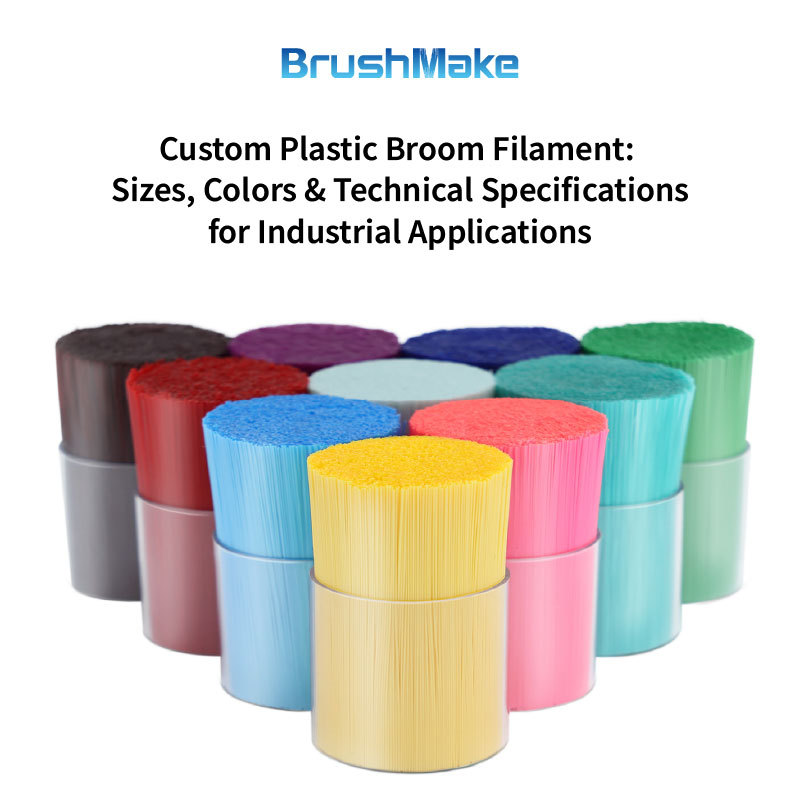
In today's highly competitive cleaning tools industry, selecting the right plastic broom filament is no longer a simple purchasing decision—it is a strategic factor that directly influences product performance, durability, and long-term customer satisfaction.
For manufacturers and distributors, understanding the technical specifications and customization options of broom filament is essential when developing differentiated products for global markets.
This guide provides a comprehensive overview of filament sizing, materials, structural design, and customization capabilities, based on industry manufacturing standards and real-world application experience.
Understanding Plastic Broom Filament: Function and Industrial Value
Plastic broom filament refers to synthetic monofilaments engineered for sweeping applications. Compared to traditional natural fibers, modern broom filament offers superior consistency, wear resistance, and environmental adaptability.
From a manufacturing perspective, high-quality filament must achieve:
▪ Stable diameter tolerance
▪ Uniform linear density
▪ Controlled stiffness and elasticity
▪ Resistance to abrasion and chemicals
These factors determine how effectively a broom performs across different environments—from indoor dust removal to heavy-duty outdoor sweeping.
Filament Size Parameters: Diameter and Length Selection
1. Diameter (Stiffness Control)
Diameter is the primary factor affecting stiffness and sweeping force.
▪ 0.20–0.60 mm: Suitable for fine dust and smooth indoor surfaces
▪ 0.60–1.20 mm: General-purpose cleaning applications
▪ 1.20–2.50 mm+: Industrial and outdoor sweeping
Thicker filaments provide stronger impact resistance, while thinner filaments improve dust capture efficiency.
2. Length (Flexibility and Coverage)
▪ Filament length influences flexibility and sweeping coverage.
▪ Short filaments: Higher rigidity and aggressive cleaning
▪ Medium length: Balanced performance
▪ Long filaments: Increased coverage and flexibility
Proper length selection depends on broom design and intended use.
Material Engineering: Choosing the Right Polymer
Polypropylene (PP)
Widely used due to its cost efficiency and chemical resistance. Suitable for standard cleaning tools.
Polyester (PET)
Offers improved abrasion resistance and better environmental durability. Common in outdoor broom applications.
Nylon (PA6, PA66, PA612)
High-performance material with excellent resilience, fatigue resistance, and thermal stability. Preferred for premium or industrial-grade brushes.
A professional broom filament manufacturer will recommend material selection based on application scenarios and cost-performance balance.
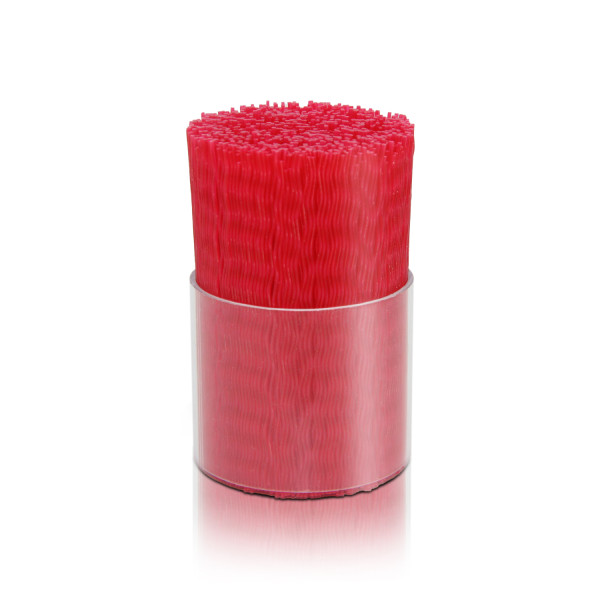
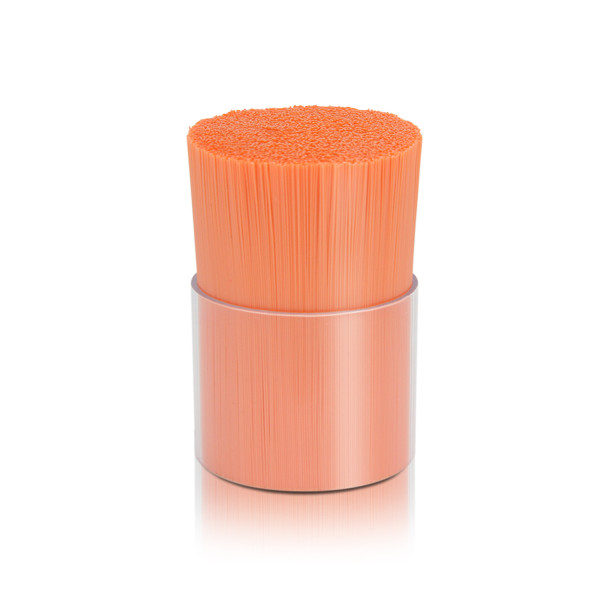
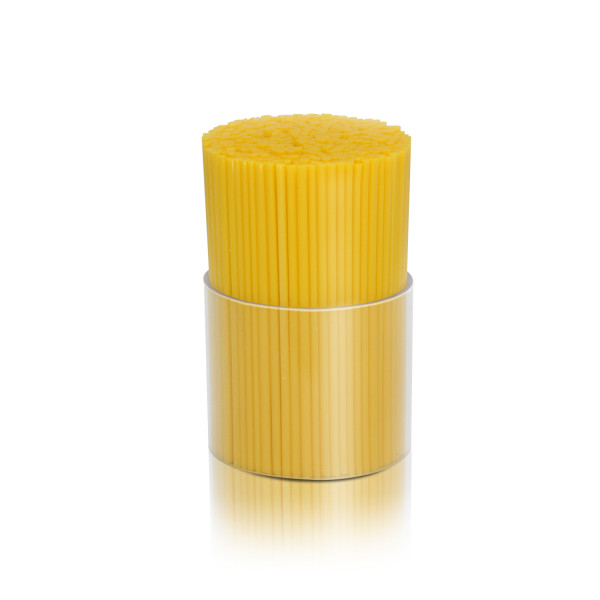
Advanced Filament Structures and Surface Processing
Beyond basic parameters, filament structure significantly impacts cleaning efficiency.
Cross-Section Design
▪ Round: Standard and cost-effective
▪ Hollow: Lightweight with good flexibility
▪ Cross/X-shaped: Increased contact area for better sweeping
Surface Treatment
▪ Crimped filament: Enhances dust retention
▪ Flagged ends: Improves fine particle pickup
▪ Straight filament: Provides consistent sweeping force
These structural modifications allow manufacturers to tailor performance for specific cleaning conditions.
Color Customization and Brand Differentiation
Color is not merely aesthetic—it plays a role in branding and functional identification.
Customization options include:
▪ Standard industrial colors
▪ Pantone-based color matching
▪ Multi-color filament blending
In commercial and industrial environments, color coding is often used to differentiate cleaning zones and improve hygiene management.
Performance Specifications and Quality Standards
When evaluating plastic broom filament, buyers should focus on:
▪ Abrasion resistance (lifespan indicator)
▪ Flexural recovery (elasticity performance)
▪ UV resistance (outdoor durability)
▪ Chemical resistance (industrial use)
▪ Dimensional consistency
High-end manufacturers implement strict quality control during extrusion, drawing, and heat-setting processes to ensure stable performance.
Customization Capabilities from a Professional Manufacturer
A reliable broom filament manufacturer should provide full OEM/ODM support, including:
▪ Custom diameter and length
▪ Material formulation adjustments
▪ Filament shape engineering
▪ Color matching services
▪ Packaging and branding solutions
At Brushmake, we leverage years of production experience to deliver consistent and scalable filament solutions tailored to global B2B clients.
Application-Specific Filament Solutions
Indoor Cleaning
Requires softer filament with fine diameter and flagged ends for dust removal.
Outdoor Sweeping
Demands thicker, UV-resistant filament with high durability.
Industrial Applications
Needs high-strength materials with superior chemical and abrasion resistance.
Proper configuration ensures optimal cleaning efficiency and longer product lifecycle.
Conclusion: Engineering Performance Through Precision Filament Design
The selection of plastic broom filament is a technical decision that combines material science, mechanical design, and application knowledge.
By working with an experienced broom filament manufacturer, businesses can achieve:
▪ Optimized product performance
▪ Reduced replacement frequency
▪ Stronger market competitiveness
As global demand for durable and efficient cleaning tools continues to grow, investing in high-quality filament solutions is essential for long-term success.