Common Toothbrush Filament Problems During Tufting and How to Solve Them
- Share
- Issue Time
- Sep 10,2026
Summary
Solve toothbrush filament problems during tufting, from breakage and uneven bristle height to pull-out, feeding faults, deformation and stiffness variation.
Identify and solve common toothbrush filament problems during tufting, including breakage, uneven height, shedding, feeding faults and stiffness variation. Toothbrush tufting is a precision process. Variation in filament diameter, straightness, moisture or stiffness can affect feeding, cutting, insertion, anchoring and bristle height. Common results include filament breakage, uneven tufts, filament shedding, poor recovery, difficult trimming, material waste and downtime. These faults are not always caused by the machine. A plastic brush filament must match the brush-head design, tuft-hole geometry, production speed and anchor system. The key principle is: tufting performance starts with the filament.
Filament Breakage During Tufting
Breakage may occur during feeding, cutting, folding or insertion. Common causes include excessive insertion force, worn needles or guides, misalignment, unsuitable diameter, poor diameter tolerance, excessive stiffness and surface damage. A fine nylon bristle that is too stiff may resist folding, while diameter variation can create unstable friction in the tooling.
Solution: inspect needles, grippers, cutters, guides and the tufting head. Check speed, tension, pressure and insertion depth. Compare the affected lot with an approved lot for diameter, straightness, cut length, stiffness and surface condition. Change one variable at a time. Repeated failures usually require a toothbrush filament with stable diameter and suitable flexibility.
Uneven Bristle Height, Trimming and Feeding
Variable cut length, poor straightness, deformation, unstable feeding or a worn cutter can produce tufts at different levels. Entanglement and blockage may result from damaged surfaces, contamination, unsuitable packaging or incorrect tension.
Solution: define cut-length tolerance and sample different points in the package and production run. Check cutter sharpness, blade alignment, tufting depth and feeder guides. Ensure filaments are not compressed or bent before cutting. Specify finished bristle height, allowable variation and the inspection method. Consistent cut length, straightness and packaging reduce trimming waste and operator intervention.
Filament Pull-Out and Poor Tuft Retention
Filament pull-out is a system problem involving the filament, tuft hole, anchor, bundle size and insertion parameters. Causes include a diameter-to-hole mismatch, insufficient tuft depth, poor anchoring, excessive compression or unsuitable stiffness.
Solution: inspect a failed tuft to identify whether the bundle, anchor or surrounding plastic failed first. Review diameter, stiffness, straightness and surface condition together. Compare samples with machine settings unchanged, then test the selected filament under adjusted insertion conditions. A suitable nylon bristle or PBT bristle is not defined by material name alone; retention depends on its interaction with the tuft design.
Deformation, Recovery and Stiffness Variation
Permanent bending may result from excessive heat, storage compression, moisture exposure, insufficient heat setting or excessive tufting pressure. Poor recovery leaves bristles bent after insertion. Perceived stiffness changes with material, diameter, length, tuft density, moisture and heat-setting history.
PA612 and PA610 may be considered when flexibility and recovery are required. PBT bristle is often evaluated for low moisture response, wear resistance and dimensional stability. PP may suit cost-sensitive, high-volume applications when its processing behavior meets the specification. No polymer is automatically best for every brush.
Solution: control temperature, humidity, packaging pressure and storage time. Compare straightness before tufting, shape after insertion and recovery after trimming or heat exposure. Approve material through production-relevant sample testing.
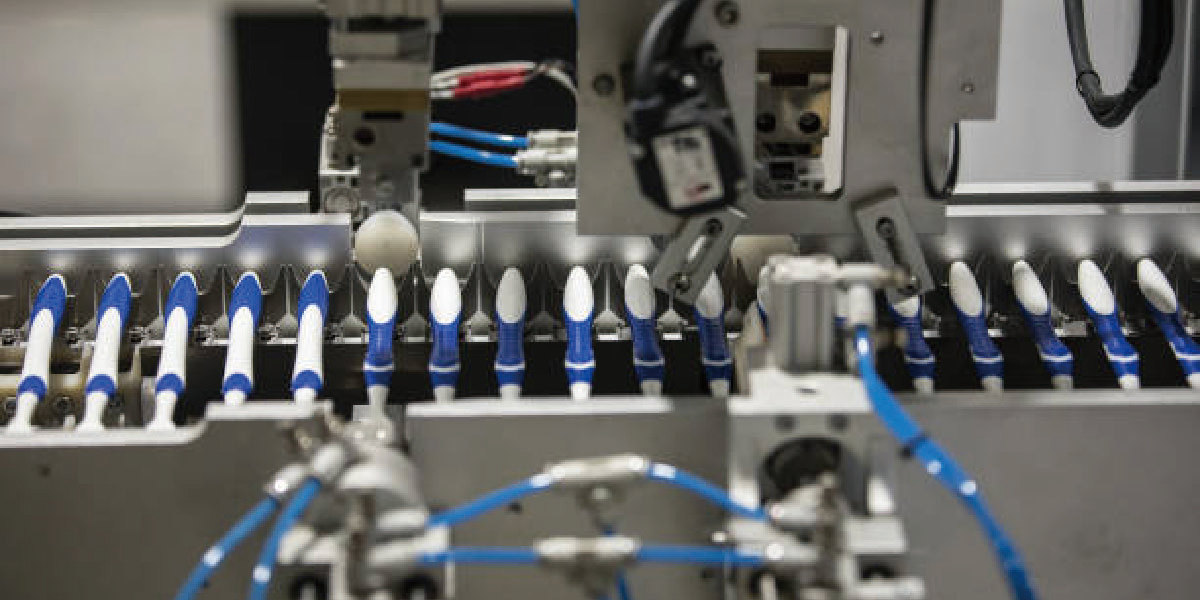
Toothbrush During Tufting
Toothbrush Filament Problems: Causes and Solutions
| Tufting problem | Filament factor | Recommended action |
| Filament breakage | Diameter or stiffness | Check load and specification |
| Uneven height | Cut length or straightness | Improve consistency and trimming |
Filament shedding | Material or stiffness | Match filament to tuft design |
| Deformation | Polymer or heat setting | Review material and handling |
Feeding blockage | Straightness or packaging | Improve preparation |
Batch variation | Tolerance or stiffness | Strengthen incoming QC |
How to Choose a Toothbrush Filament for Better Tufting
Review the application, required softness or stiffness, diameter, cut length, material, recovery, moisture environment, chemical exposure, machine compatibility, production volume and cost target. Compare PA612, PA610, PBT and PP under actual tufting conditions rather than selecting by material name alone.
Use this diagnostic sequence: Tufting problem → identify root cause → check machine parameters → check filament specification → adjust one variable → sample test → confirm production performance.
Toothbrush Filament Quality Control
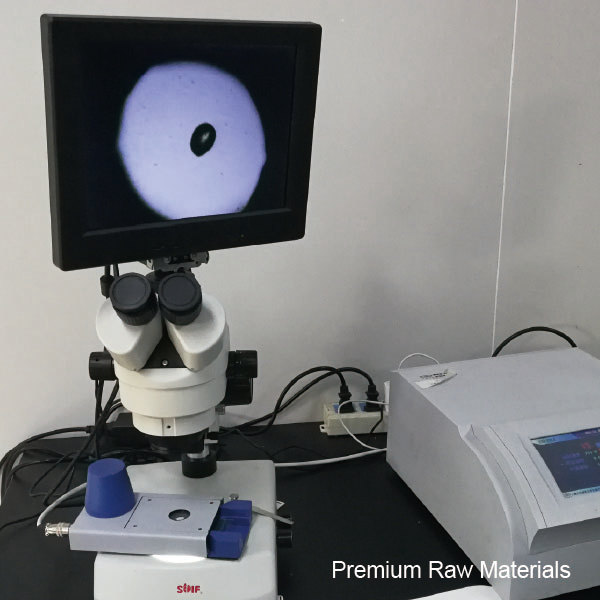
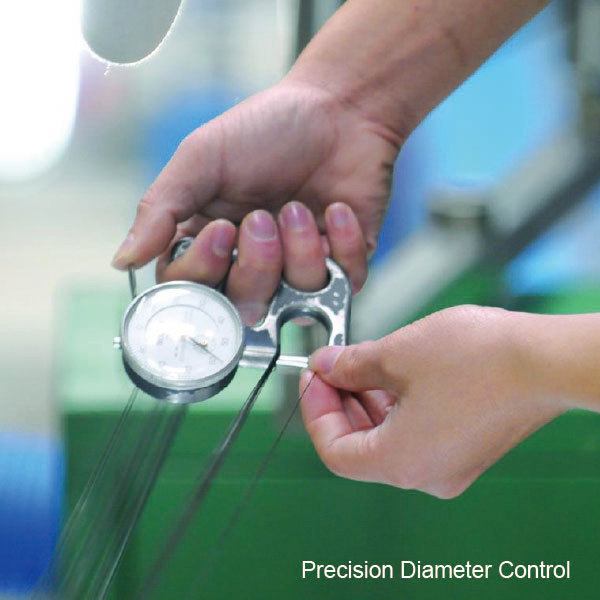
Check material identity and batch traceability, diameter and tolerance, cut length, straightness, surface condition, colour, stiffness, recovery, package integrity, feeding, finished bristle height, trimming and tuft retention. Acceptance limits must be linked to the brush design and process capability.
How BrushMake Helps Manufacturers Solve Filament Problems
When repeated tufting faults point to filament consistency, manufacturers may need to review material specification and supply control as well as machine settings. BrushMake helps brush manufacturers select and customize plastic brush filament by material, diameter, stiffness, recovery, cut length and application.
Its toothbrush filament options include PA612, PA610, PBT and PP for manual and electric toothbrush applications. Manufacturers can discuss customized diameter, color, length, straight or crimped filament and application-specific selection. The Toothbrush Filaments application page provides material information and supports sample evaluation before bulk supply. For broader information, visit the BrushMake website.
Frequently Asked Questions
Why do toothbrush filaments break during tufting?
Common causes are excessive stress, unsuitable diameter or stiffness, poor tolerance, worn tooling, incorrect tension or pressure. Check equipment and filament variables separately.
How can filament shedding be reduced?
Match diameter and stiffness to the tuft hole, anchor and insertion process. Verify tuft depth, bundle formation and retention through controlled production testing.
How does a PBT bristle differ from a nylon bristle?
They can differ in moisture response, flexibility, stiffness, wear and recovery. Selection should follow the brush design and production conditions, then be confirmed with samples on the intended line.
Final Thoughts
Toothbrush tufting problems cannot always be solved by machine adjustment alone. Filament material, diameter, stiffness, straightness, heat setting, moisture, preparation and batch consistency all influence results. When breakage, uneven height, shedding or stiffness variation occurs, review the filament specification and run a controlled sample test before broad process changes.
Contact BrushMake for toothbrush filament samples or custom specifications.