A Comprehensive Guide to Toothbrush Filaments for Gentle Gum Care
- Share
- Issue Time
- Aug 28,2026
Summary
Understanding the type of filaments in a toothbrush is crucial for maintaining optimal oral health, especially for protecting delicate gum tissue. Using medium or hard bristles can lead to significant damage such as gum recession, enamel abrasion, and increased tooth sensitivity. Conversely, ultra-soft filaments, particularly those made from Polybutylene Terephthalate (PBT), offer flexible and gentle cleaning capabilities, effectively reaching beneath the gumline without causing irritation. The
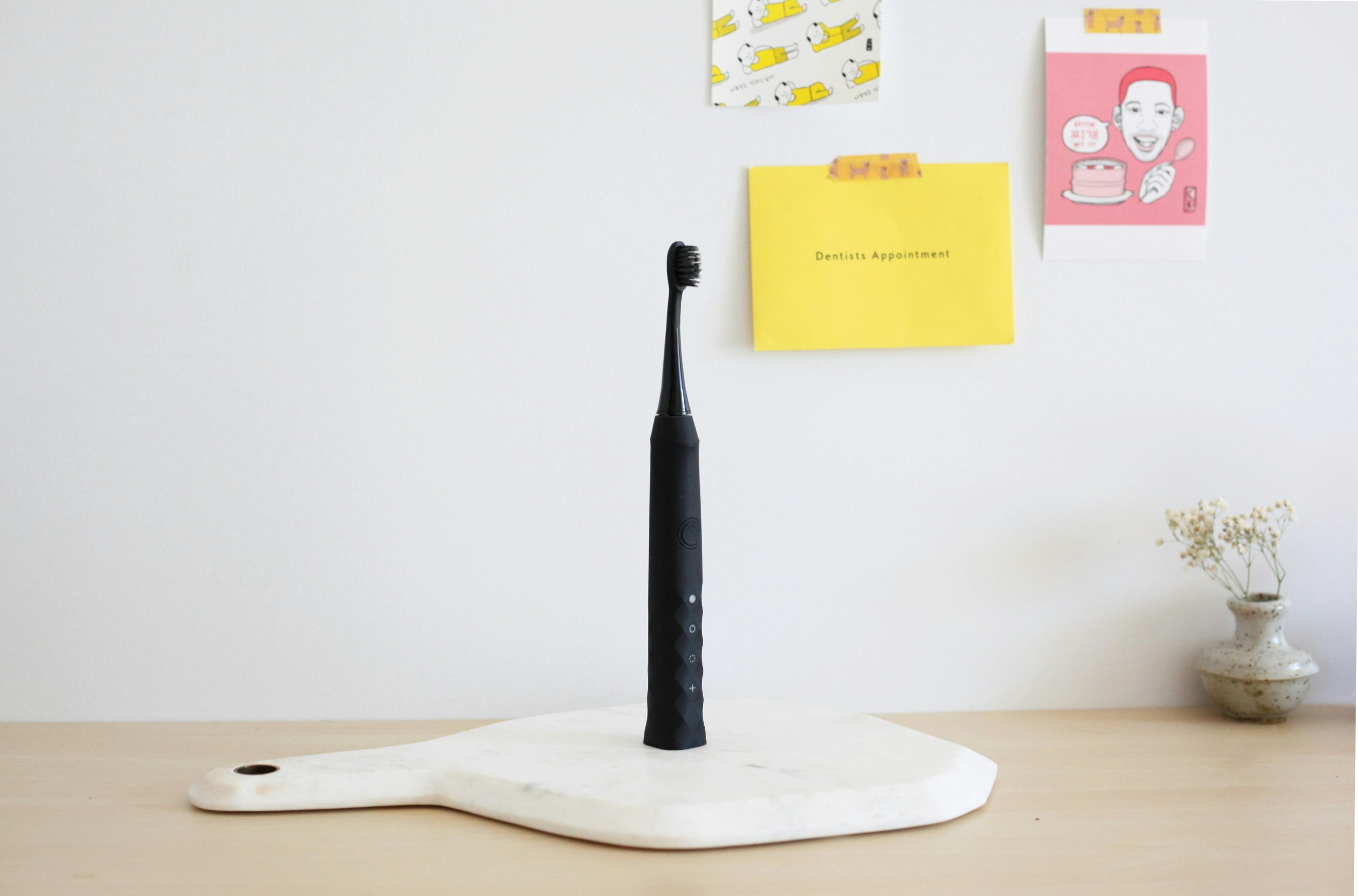
As someone devoted to oral health, I know that healthy gums are the foundation of a brilliant smile. Their condition significantly influences our overall well-being, even playing a role in mitigating risks of systemic health issues like heart disease and stroke. Protecting this delicate tissue depends heavily on a factor many of us overlook: the filaments of our toothbrush. Understanding these tiny but mighty fibers is the first step toward achieving genuinely gentle and effective gum care.
In this comprehensive guide, we will journey deep into the world of toothbrush filaments. My goal is to equip you with the knowledge to select the perfect toothbrush for your unique needs, whether you're managing gum sensitivity, navigating the challenges of braces, or simply elevating your daily oral hygiene routine.
Key Takeaways
- Harsh Bristles Are Harmful: Using medium or hard-bristled toothbrushes can lead to significant oral health issues, including gum recession, enamel abrasion, and heightened tooth sensitivity. These bristles can strip away protective gum tissue and enamel over time.
- Ultra-Soft is a Superior Choice: Ultra-soft filaments, especially those made from PBT (Polybutylene Terephthalate), are designed to be flexible and gentle. They can effectively clean beneath the gumline and in tight spaces without causing irritation, making them ideal for sensitive gums.
- Density Matters: A higher density of filaments on a toothbrush head creates a softer, more cushioned surface. This design distributes brushing pressure evenly, reducing the risk of damage while increasing the efficiency of plaque removal.
- Electric Toothbrushes Offer Advanced Protection: Many electric toothbrushes come with features specifically designed for gum care, such as built-in pressure sensors that alert you when brushing too hard, and specialized "Sensitive" or "Gum Care" modes that use gentler vibrations.
- Specialized Filaments for Specific Needs: Different oral health conditions require different types of filaments. For instance, individuals with braces may benefit from V-shaped bristles, while those with periodontal issues might need extra-fine, tapered filaments to clean deep pockets.
- Regular Replacement is Non-Negotiable: Toothbrush filaments wear out over time, becoming splayed, frayed, and less effective. It is crucial to replace your toothbrush or brush head every 3-4 months to ensure optimal cleaning performance and prevent bacteria buildup.
The Foundation: Understanding Gentle Toothbrush Filaments
The journey to impeccable gum care begins with understanding the very tool we use every day. The filaments, or bristles, of a toothbrush are not just simple fibers; they are a sophisticated technology designed to either protect or inadvertently harm our delicate gum tissue. Choosing the right type is fundamental to building a routine that cleans effectively without causing damage. It involves moving beyond the traditional mindset that a "hard" scrub equals a "good" clean and embracing the science behind gentle, yet thorough, oral hygiene. This section will lay the groundwork, exploring why harsh bristles pose a significant risk, how ultra-soft filaments work their magic, and the crucial role that filament density plays in safeguarding our gums.
Risks of Harsh Bristles
Many people operate under the misconception that a vigorous scrub with firm bristles is the key to a cleaner mouth. However, the reality is that using medium or hard-bristled toothbrushes, especially with aggressive pressure, can inflict significant and sometimes irreversible damage on our teeth and gums. This practice is a leading cause of toothbrush abrasion, which is the mechanical wearing away of tooth structure and gum tissue.
The primary risks associated with harsh bristles include:
- Gum Recession: Your gums are composed of soft, delicate tissue that forms a protective seal around the base of your teeth. Aggressive brushing with stiff bristles can physically wear this tissue away, causing it to recede or pull back from the teeth. This process exposes the tooth roots, which are not covered by protective enamel and are much more sensitive.
- Enamel Abrasion: Tooth enamel is the hardest substance in the human body, but it is not invulnerable. Over time, the stiff, abrasive nature of hard bristles can scrape away the enamel, particularly near the gumline where it is thinnest. Since enamel cannot regenerate, this damage is permanent and can make teeth more susceptible to cavities and decay.
- Increased Sensitivity: As gum recession exposes the tooth roots and enamel abrasion thins the protective outer layer, the underlying dentin becomes exposed. Dentin contains microscopic tubules that lead to the tooth's nerve center. When exposed, stimuli like hot, cold, or sweet foods and drinks can travel through these tubules and trigger sharp pain.
- Aesthetic Concerns: The combination of enamel wear and gum recession can alter the appearance of your smile. As enamel thins, the yellowish dentin underneath may become more visible, making the teeth appear discolored. Receding gums can also make teeth look longer and create noticeable notches or grooves at the gumline.
Ultimately, brushing harder does not equate to a better clean. Effective plaque removal is about technique and consistency, not force. Dentists overwhelmingly recommend using a soft or extra-soft bristled toothbrush to avoid these risks and maintain long-term oral health.
Ultra-Soft Filament Mechanics
The effectiveness of ultra-soft filaments lies in their sophisticated design and material properties, which allow for a superior clean without the collateral damage associated with harder bristles. Clinical studies and dental professionals agree that soft-bristled toothbrushes can remove plaque just as effectively—and sometimes even more so—than their medium or hard counterparts, provided the correct technique is used.
Here’s how they work:
- Flexibility and Adaptability: Ultra-soft filaments are incredibly fine and flexible. This allows them to bend and adapt to the unique contours of each tooth. Instead of scraping harshly across the surface, they can gently sweep into the crucial area between the gum and the tooth, known as the gingival sulcus, which is a primary site for plaque accumulation.
- Gentle Plaque Disruption: Plaque is a soft, sticky biofilm. It doesn't require aggressive force to be removed. The gentle, sweeping motion of thousands of soft bristles is sufficient to disrupt this film and lift it away from the tooth surface and gumline. Using gentle, circular motions with a soft brush is highly effective for complete plaque removal.
- Material Science: The material of the filament plays a significant role. Most modern high-quality soft bristles are made from a type of polyester called Polybutylene Terephthalate (PBT), rather than traditional nylon.
- PBT vs. Nylon: PBT has a distinct advantage over nylon because it absorbs significantly less water. Nylon bristles can become waterlogged and lose their stiffness when wet, reducing their cleaning efficacy. PBT filaments, however, maintain their structural integrity and consistency whether wet or dry. This means they provide a more reliable and durable cleaning experience.
- Durability and Hygiene: Because PBT is less porous than nylon, it can be less prone to bacterial growth, contributing to better hygiene. Furthermore, some high-end PBT filaments, like Curen®, are engineered to be extremely durable and resistant to splaying, meaning they can last longer than conventional nylon bristles.
By combining fine, flexible design with advanced materials, ultra-soft filaments provide a cleaning mechanism that is both thorough and exceptionally gentle on enamel and gum tissue.
Role of Filament Density
Beyond the softness of individual filaments, their density—the number of bristles packed into the toothbrush head—is a critical factor in providing gentle and effective gum care. A higher filament count is not just a marketing gimmick; it fundamentally changes the physics of brushing for the better.
The key benefits of high-density filaments include:
- Pressure Distribution: A toothbrush with a high density of bristles creates a broader, more cushioned surface area. When you brush, the pressure you apply is distributed evenly across thousands of filament tips instead of being concentrated on a few hundred. This significantly reduces the force exerted on any single point of your gums or teeth, minimizing the risk of abrasion and irritation.
- Enhanced Cleaning Power: More bristles mean more contact points with the tooth surface during each stroke. This leads to more efficient and thorough removal of plaque and food debris. High-density brushes can create a foamier, more luxurious feeling, but more importantly, they cover more ground, cleaning into the small gaps and along the gumline more effectively than a sparsely bristled brush.
- A Softer, More Gentle Experience: The collective effect of thousands of ultra-soft bristles packed together creates a plush, velvety texture. This makes the brushing experience more comfortable, which is particularly beneficial for individuals with sensitive gums, oral inflammation, or those recovering from dental procedures. Some high-density toothbrushes boast up to 20,000 bristles, compared to a few thousand on a standard soft toothbrush, providing an exceptionally gentle clean.
- Improved Durability and Shape Retention: When filaments are packed tightly, they provide mutual support. This can help prevent the bristles from splaying or fraying prematurely, allowing the toothbrush to maintain its effective shape for a longer period.
In essence, a high filament density works in synergy with ultra-soft materials. It transforms the act of brushing from a potentially harsh scrubbing action into a gentle, productive polishing that protects your gums while leaving your teeth feeling exceptionally clean.
Choosing Manual Toothbrush Filaments and Their Use-Cases
The manual toothbrush remains a cornerstone of oral hygiene for millions. Its simplicity, affordability, and portability make it an accessible choice for daily care. However, not all manual toothbrushes are created equal, and the key to unlocking their full potential for gentle gum care lies in the filaments. Making an informed decision requires looking past the colorful handles and package claims to understand who benefits most from a soft manual brush, how to identify high-quality filaments, and what limitations to be aware of. This knowledge empowers you to select a tool that truly supports, rather than detracts from, your gum health goals.
Best Candidates for Soft Manuals
While a soft-bristled manual toothbrush is the universally recommended choice for nearly everyone, certain individuals and conditions stand to benefit the most from making this switch. These brushes are not just a preference but a necessity for those whose oral health is in a delicate state.
The prime candidates for soft manual toothbrushes include:
- Individuals with Sensitive Teeth and Gums: This is the most obvious group. If you experience pain or discomfort from hot, cold, or sweet stimuli, or if your gums are tender to the touch, a soft toothbrush is essential. Its gentle filaments clean effectively without triggering or worsening sensitivity.
- People with Gum Disease (Gingivitis or Periodontitis): Inflamed, swollen, or bleeding gums are hallmark signs of gingivitis. Using a hard or even medium brush on inflamed tissue can be painful and counterproductive. An extra-soft or soft toothbrush allows for gentle cleaning at the gumline to remove the plaque that causes inflammation, without causing further trauma. For those with more advanced periodontitis and gum recession, a soft brush is non-negotiable to prevent further damage.
- Those with Gum Recession: If your gums have already started to recede, exposing the sensitive root surfaces, protecting the remaining tissue is paramount. Soft bristles are crucial to prevent the progression of recession caused by abrasive brushing habits.
- Post-Surgical Patients: After dental procedures like gum grafts, extractions, or implant placement, the surgical area is extremely delicate. Dentists often recommend using an ultra-soft or special post-surgical brush to clean adjacent teeth without disturbing the healing site. Gentle brushing around the area, often starting a day or so after surgery, is key to maintaining hygiene without disrupting clots or stitches.
- Individuals with a Tendency to Brush Aggressively: Many people unconsciously apply too much force when brushing, believing it leads to a better clean. For these heavy-handed brushers, a soft-bristled brush acts as a built-in safety measure, reducing the amount of damage they can inflict on their enamel and gums.
- Children and Seniors: Children have developing teeth and gums that are more susceptible to injury. Seniors often face issues like thinning gum tissue, exposed roots, and increased sensitivity. For both age groups, a soft-bristled toothbrush provides a safe and effective cleaning experience.
For these individuals, a soft manual toothbrush is more than just a tool; it's a therapeutic device that helps manage symptoms, prevent further damage, and maintain oral hygiene in the gentlest way possible.
Identifying Quality Manual Filaments
When browsing the seemingly endless options of manual toothbrushes, it’s easy to get distracted by handle ergonomics and color schemes. However, the true measure of a brush's quality and its suitability for gentle gum care lies in the filaments themselves. Discerning consumers should look for several key characteristics that indicate superior design and safety.
Here are the essential features to look for in high-quality manual filaments:
| Feature | Description | Importance for Gentle Gum Care |
|---|---|---|
| End-Rounded Tips | Each individual filament tip is mechanically ground and polished to be smooth and rounded, rather than being left with a sharp, jagged edge from the manufacturing cut. | This is arguably the most critical feature for preventing damage. Sharp, unpolished bristles can scratch tooth enamel and lacerate delicate gum tissue, leading to abrasion and micro-tears. The American Dental Association (ADA) has recommended end-rounded tips to minimize gingival injury. |
| Tapered Filaments | These bristles are thinner at the tip than at the base, creating a fine, flexible point. | Tapered filaments excel at penetrating hard-to-reach areas, such as below the gumline and between teeth, to remove plaque more effectively without requiring excessive pressure. Studies suggest tapered bristles can be safer for those with non-carious cervical lesions (abrasion notches). |
| High-Quality Material (PBT) | As mentioned previously, filaments made from Polybutylene Terephthalate (PBT) are superior to traditional nylon. PBT is a type of polyester that absorbs very little water. | PBT bristles maintain their stiffness and cleaning effectiveness when wet, unlike nylon which can become soft and less effective. This consistency ensures a reliable clean every time and contributes to the brush's durability. |
| High Filament Density | The brush head contains a large number of tightly packed bristles (often thousands). | A dense configuration distributes brushing pressure over a wider surface area, reducing force on the gums. This also creates a softer, more cushioned feel while simultaneously improving cleaning efficiency. |
| ADA Seal of Acceptance | The brush has been independently evaluated by the American Dental Association for safety and effectiveness. | While many excellent brands may not seek this seal, its presence guarantees that the bristles are free of sharp edges and the product has demonstrated its ability to help reduce plaque and gingivitis. It provides an extra layer of confidence in the brush's quality. |
By prioritizing these features—especially the combination of soft, end-rounded, and/or tapered PBT filaments—you can move beyond superficial marketing and choose a manual toothbrush that is scientifically designed for superior cleaning and maximum gum protection.
Manual Filament Limitations
While a high-quality manual toothbrush with soft filaments can be an excellent tool for oral hygiene, its effectiveness is heavily reliant on the user. Unlike electric toothbrushes that automate much of the process, manual brushes have inherent limitations tied directly to human factors. Being aware of these drawbacks is crucial for either improving one's technique or deciding if a switch to an electric model is warranted.
The primary limitations of manual toothbrush filaments include:
- Technique Sensitivity: The efficacy of a manual brush is almost entirely dependent on the user's brushing technique. Proper cleaning requires holding the brush at a 45-degree angle to the gums and using gentle, short, circular or sweeping motions. Many people default to aggressive, back-and-forth scrubbing, which is not only less effective at removing plaque from the gumline but can also cause significant gum recession and enamel wear.
- Inconsistent Pressure: It is very difficult for a person to apply consistent, gentle pressure throughout the entire two-minute brushing session. Users often brush too hard, mistakenly believing that more force equals a better clean. This excessive pressure is a leading cause of toothbrush abrasion and can damage both hard and soft oral tissues, a problem that is less prevalent with electric toothbrushes that have pressure sensors.
- Difficulty Reaching All Areas: Maneuvering a manual toothbrush to effectively clean all tooth surfaces—especially the inside (lingual) surfaces of the lower front teeth and the backsides of the last molars—can be challenging. This can lead to missed spots where plaque accumulates, increasing the risk for cavities and gum disease.
- Failure to Brush for the Recommended Time: Dentists recommend brushing for a full two minutes. However, studies have shown that the average person using a manual toothbrush brushes for only about 45 seconds. This insufficient duration means that teeth are not being cleaned thoroughly, regardless of how good the filaments are.
- Reduced Plaque Removal Efficiency: While a manual brush used with perfect technique can be very effective, numerous large-scale studies have demonstrated that, on average, powered toothbrushes are superior at removing plaque and reducing gingivitis. For instance, a major Cochrane Review found that electric toothbrushes led to a 21% greater reduction in plaque and an 11% reduction in gingivitis after three months compared to manual brushes.
Essentially, the manual toothbrush is a tool whose potential is often unrealized due to common and often unconscious user errors. Its success hinges on a level of diligence, dexterity, and awareness that can be difficult to maintain consistently day after day.
Electric Toothbrush Filaments: Features for Enhanced Gum Care
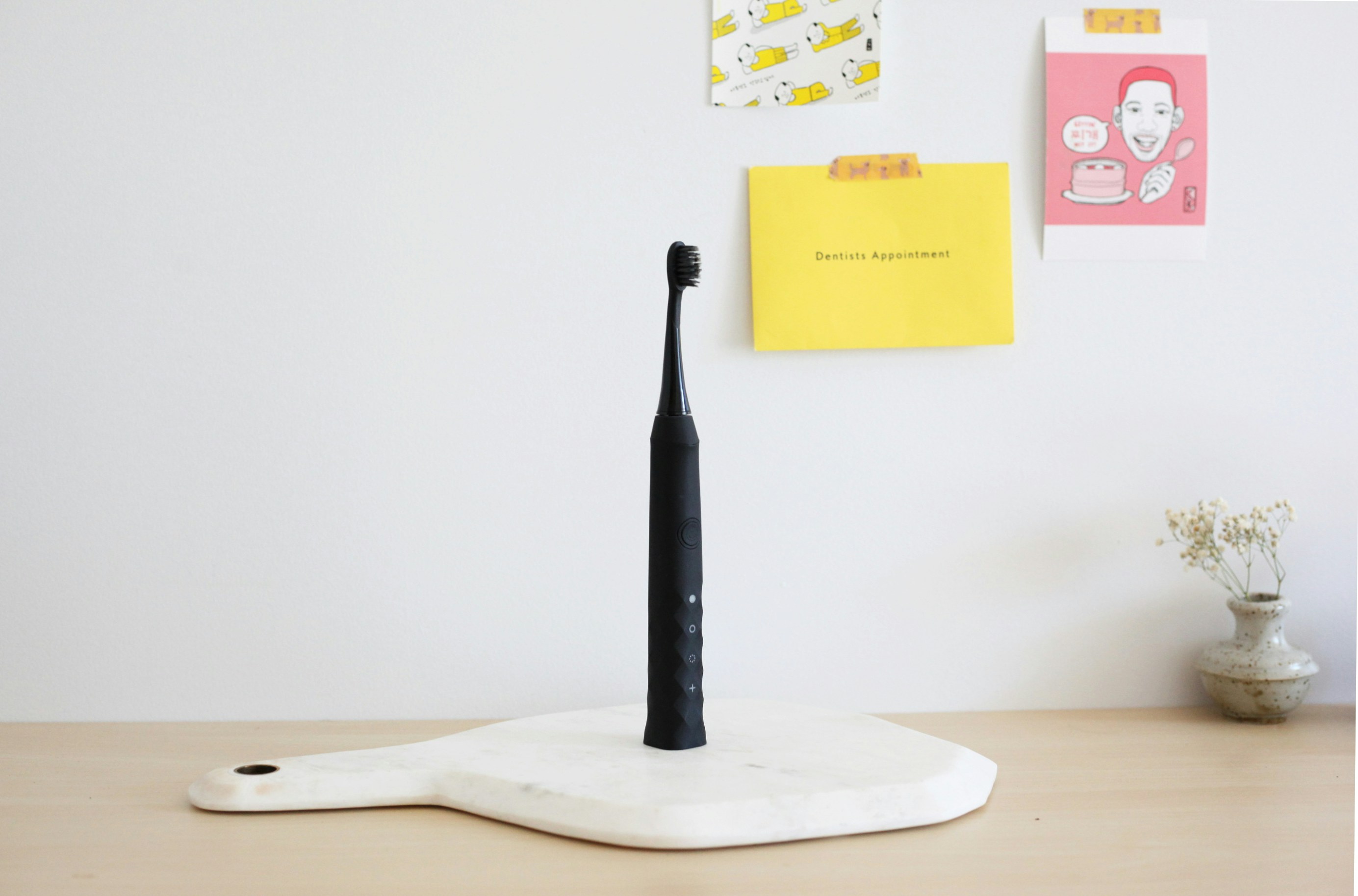
While manual toothbrushes rely entirely on user skill, electric toothbrushes introduce a host of technological advancements designed to overcome common brushing errors and provide a superior level of care, particularly for sensitive gums. These devices aren't just about convenience; they incorporate intelligent features that automate correct technique, control pressure, and utilize innovative filament designs to enhance cleaning efficiency and gum safety. From the mechanics of their high-speed movements to smart sensors that provide real-time feedback, electric toothbrushes offer a powerful, guided approach to achieving optimal oral health. This section delves into the specific features that make their filaments a game-changer for gentle gum care.
Electric Efficiency Explained
The core advantage of electric toothbrushes lies in their ability to automate the cleaning process with a consistency and speed that is impossible to replicate manually. This efficiency is not about brute force, but rather about optimized motion and intelligent design that enhances plaque removal while safeguarding delicate tissues.
The efficiency of electric toothbrushes is primarily driven by two main technologies:
Oscillating-Rotating Technology: This design, most famously used by Oral-B, features a small, round brush head that moves in a unique, three-dimensional pattern. It oscillates (spins back and forth) and pulsates (moves in and out). This combination is exceptionally effective at breaking up and sweeping away plaque. The small head size allows it to cup each tooth individually, ensuring comprehensive cleaning, especially along the curved gumline and in between teeth. Studies, including a major Cochrane Review, have consistently shown that oscillating-rotating toothbrushes provide a statistically significant reduction in both plaque and gingivitis compared to manual brushes.
Sonic Technology: Utilized by brands like Philips Sonicare, this technology features a brush head shaped more like a traditional manual brush. It doesn't spin, but instead vibrates at extremely high frequencies—often between 30,000 to over 60,000 movements per minute. This rapid vibration works in two ways:
- Mechanical Scrubbing: The bristles physically sweep across the tooth surface, disrupting plaque.
- Fluid Dynamics: The intense vibration agitates the fluids (saliva and toothpaste) in the mouth, creating microbubbles that are driven into areas the bristles can't physically reach, like deep between teeth and below the gumline. This phenomenon helps to dislodge plaque from hard-to-access areas.
In both cases, the motor does the work. The user's role is simply to guide the brush head gently along the teeth, letting the high-speed movements perform the cleaning. This removes the "technique-sensitive" variable of manual brushing, where inconsistent pressure and incorrect motions can lead to poor results and tissue damage. By providing tens of thousands of precise, controlled brush strokes per minute—compared to the few hundred achieved with a manual brush—electric models deliver a more thorough and consistent clean with every use.
Innovations in Filament Design
The evolution of the electric toothbrush has gone beyond just the motor; manufacturers have invested heavily in engineering sophisticated brush heads and filaments that actively enhance cleaning and gum protection. These innovations are not merely cosmetic—they are designed based on clinical research to target plaque in specific ways and adapt to the complex geography of the mouth.
Key innovations in electric toothbrush filament design include:
- Angled Bristles: Many advanced brush heads, like Oral-B's CrossAction, feature bristles that are precisely angled (often at 16 degrees). This design allows the filaments to effectively reach deep between teeth and sweep along the gumline, areas where plaque accumulation is most problematic. The crisscrossing pattern helps to surround each tooth for a more comprehensive clean compared to standard vertical bristles.
- Tapered and Ultra-thin Filaments: Similar to high-quality manual brushes, many premium electric brush heads now incorporate tapered or ultra-thin filaments. These finely pointed bristles are exceptionally soft and flexible, allowing them to gently penetrate the subgingival space (below the gumline) and interproximal areas (between teeth) to disrupt plaque biofilm without causing irritation. This is particularly beneficial for users with sensitive gums or periodontal concerns.
- "Tuft-in-Tuft" Technology: Some of the latest designs, such as the Oral-B iO Ultimate Clean head, feature a "tuft-in-tuft" configuration. This involves combining shorter, higher-density tufts for thorough surface cleaning with longer, thinner tufts designed for deep interdental cleaning. This multi-level approach maximizes both surface coverage and penetration into hard-to-reach areas.
- Micro-Vibrating Bristles: A significant advancement in oscillating-rotating technology is the addition of controlled micro-vibrations. This feature, found in the Oral-B iO series, directs the motor's energy directly to the tips of the bristles. This creates a smoother, quieter, and more pleasant brushing sensation while simultaneously enhancing the energy delivered to the tooth surface for more effective plaque removal. Clinical studies have shown this combination provides significantly greater plaque and gingivitis reductions compared to previous technologies.
- Silicone and Hybrid Bristles: Some brands have experimented with all-silicone bristles or hybrid designs that combine polymer or nylon filaments with silicone elements. Silicone is naturally hygienic and very gentle on the gums, though its plaque-removing efficacy compared to PBT or nylon is still a subject of ongoing research. These are often marketed towards users with extreme sensitivity.
These advanced filament designs work synergistically with the electric motor's power, transforming the brush head from a simple collection of bristles into a highly specialized cleaning instrument.
Personalized Modes & Guidance
Recognizing that effective oral care is not one-size-fits-all, manufacturers have integrated sophisticated electronic features into their toothbrushes. These intelligent systems go beyond simple cleaning by offering customization and real-time feedback, effectively acting as a personal dental coach to guide users toward safer, more effective habits for gentle gum care.
Key features that provide personalization and guidance include:
- Visible Pressure Sensors: This is one of the most critical features for protecting gums. Brushing too hard is a primary cause of gum recession and enamel wear. Modern electric toothbrushes are equipped with sensors that detect excessive force. When a user presses too hard, the brush provides an immediate alert, often by flashing a colored light (e.g., turning from green to red), changing the vibration pattern, or even momentarily pausing the motor. This real-time feedback loop actively trains the user to adopt a gentler touch.
- Specialized Brushing Modes: Most advanced electric toothbrushes offer multiple cleaning modes that adjust the motor's speed and vibration intensity. For gentle gum care, the most important modes are:
- Sensitive/Super Sensitive Mode: This mode significantly reduces the power of the oscillations or vibrations, providing a thorough clean that is gentle enough for users with sensitive teeth, inflamed gums, or those recovering from dental work.
- Gum Care/Massage Mode: This setting often uses a unique pattern of slower, varied-intensity vibrations designed to gently stimulate the gums. This can help improve blood circulation in the gum tissue, which is beneficial for reducing inflammation associated with gingivitis.
- Smart Technology and App Integration: Top-tier "smart" toothbrushes use Bluetooth to connect to a smartphone app, offering an unprecedented level of guidance. These apps can:
- Track Coverage: Using sensors in the brush handle, the app displays a 3D map of your mouth in real-time, highlighting the areas you've brushed and, more importantly, the areas you've missed. This ensures comprehensive coverage of all tooth surfaces.
- Monitor Habits: The app records data from each session, including duration, pressure, and coverage, allowing you to track your progress over time and identify persistent bad habits.
- Personalized Coaching: Based on your data, the app can offer personalized tips and set goals, such as focusing more on a frequently missed area or addressing instances of gum bleeding, which users can log in the app.
By combining pressure sensors to prevent damage, specialized modes to cater to sensitivity, and smart apps to perfect technique, electric toothbrushes provide a multi-layered system of protection and guidance that makes achieving gentle, effective gum care easier and more reliable than ever before.
Specialized Toothbrush Filament Applications
While the principles of soft bristles and gentle cleaning apply universally, the world of oral health is filled with unique challenges that demand more specific solutions. Standard toothbrush designs may not be adequate for navigating the complexities of orthodontic hardware, cleaning around dental implants, or managing the effects of advanced gum disease. In response, the field of filament technology has evolved to produce highly specialized designs tailored to these distinct needs. Understanding the specific toothbrush application is key to selecting the right tool. This section explores how different filament configurations are engineered to address particular oral health issues, prevent disease, and the important cautions to observe when using these specialized tools.
Filaments for Specific Issues
The architecture of toothbrush filaments has become increasingly sophisticated to manage specific and often challenging oral health conditions. The "one-size-fits-all" approach is insufficient for individuals with orthodontics, periodontal disease, or dental implants. Specialized filaments are engineered to navigate these unique environments effectively and safely.
Here is a breakdown of filament designs for specific oral health issues:
|
| Oral Health Issue | Recommended Filament Design | How It Works |
|---|---|---|
| Orthodontic Braces | V-Shaped or "Ortho Cut" Bristles: These manual or electric brush heads have shorter bristles in the middle and longer bristles on the outer edges, creating a "V" profile. | The V-shape is designed to straddle orthodontic brackets and wires. The shorter central bristles clean the top of the bracket, while the longer outer bristles simultaneously clean the tooth surface above and below the hardware, as well as the gumline. |
| Periodontal Pockets | Extra-Fine, Tapered Filaments: These are exceptionally thin and flexible bristles that narrow to a sharp, soft point. Some specialized manual brushes, like the Perio toothbrush, are designed with this feature. | The ultra-fine tips are engineered to gently slide into periodontal pockets (the space between the tooth and diseased gum tissue) to disrupt bacterial colonies where standard bristles cannot reach. This helps in managing and preventing the progression of periodontitis without causing trauma to the sensitive pocket lining. |
| Dental Implants & Bridges | Interdental Brushes (Proxy Brushes): These are not traditional toothbrushes but small, cone-shaped or cylindrical brushes on a wire or plastic handle, available in various sizes. | Interdental brushes are essential for cleaning the wider gaps that often exist around implant crowns and underneath dental bridges. They are designed to fit into these spaces to remove plaque and food debris from the implant abutment and the underside of the pontic (the artificial tooth in a bridge), areas that are impossible to clean with regular brushing or flossing. |
| Crowded or Misaligned Teeth | Small, Compact Head with Multi-Level Bristles: Toothbrushes with a smaller head size and filaments of varying lengths. | A compact head provides better maneuverability to access teeth that are rotated, overlapping, or set back. The multi-level or crisscrossing bristles can better adapt to the irregular surfaces and angles of crowded teeth, ensuring more surfaces are effectively cleaned. |
| Exposed Roots / Abrasion Notches | High-Density, Ultra-Soft, End-Rounded Filaments: Brushes with a very high count of extremely soft, polished bristles. | These brushes create a cushioned, low-impact cleaning surface. The high density distributes pressure, minimizing abrasive force on the soft, exposed root surfaces (dentin) and preventing further wear on existing abrasion notches. |
By selecting a toothbrush with a filament design tailored to a specific condition, individuals can significantly improve their ability to manage their oral health, prevent complications, and ensure a more thorough and gentle clean.
Preventing Disease with Filaments
The choice of toothbrush filaments has profound implications that extend far beyond simply keeping teeth clean. The right filaments are a frontline defense in the prevention of oral diseases, which in turn has a significant impact on overall systemic health. The mechanism is straightforward: it all begins with plaque.
The Chain Reaction from Plaque to Systemic Disease:
- Plaque Accumulation: Dental plaque is a sticky, colorless biofilm composed of bacteria that constantly forms on teeth. If it's not removed effectively, it hardens into tartar (calculus), which cannot be removed by brushing alone.
- Gingivitis: The bacteria in plaque produce toxins that irritate the gum tissue, causing inflammation. This initial stage of gum disease is called gingivitis, characterized by red, swollen gums that may bleed easily during brushing. The selection of gentle, effective filaments is crucial here. Soft, tapered, and high-density bristles can disrupt the plaque biofilm at the gumline without causing the trauma that harder bristles would inflict on the already inflamed tissue.
- Periodontitis: If gingivitis is left untreated, the inflammation progresses, causing the gums to pull away from the teeth and form pockets. These pockets become infected with more aggressive bacteria. This advanced stage is known as periodontitis. As the disease worsens, it destroys the gum tissue and underlying bone that support the teeth, ultimately leading to tooth loss.
- Systemic Health Impact: The chronic inflammation and bacterial load in the mouth do not stay localized. Bacteria and inflammatory byproducts from diseased gums can enter the bloodstream and travel throughout the body. A growing body of scientific evidence has linked periodontal disease to a host of serious systemic health conditions, including:
- Cardiovascular Disease: The chronic inflammation associated with periodontitis can contribute to atherosclerosis (hardening of the arteries), increasing the risk of heart attack and stroke.
- Diabetes: The relationship is bidirectional. Uncontrolled diabetes makes individuals more susceptible to gum disease, and severe gum disease can, in turn, make it more difficult to control blood sugar levels.
- Respiratory Infections: Bacteria from the mouth can be inhaled into the lungs, potentially causing infections like pneumonia, especially in older adults or those with compromised immune systems.
- Pregnancy Complications: Periodontal disease has been linked to an increased risk of premature birth and low birth weight.
How the Right Filaments Intervene:
By choosing a toothbrush with high-quality, soft filaments—whether manual or electric—you empower yourself to break this chain at its very first link. Effective filaments meticulously remove plaque before it can cause gingivitis. A study comparing a tapered bristle brush to a control brush found that the tapered design resulted in 8.6% less gingivitis and 33.4% fewer bleeding sites after four weeks, demonstrating a tangible impact on gum health. By preventing the initial inflammation, you prevent the cascade that leads to periodontitis and its associated systemic risks. Thus, viewing toothbrush filaments not just as a cleaning tool, but as a critical instrument for disease prevention, is fundamental to maintaining both oral and overall health.
Important Cautions
Even the most advanced toothbrush filament is only effective when it's in good condition. The specialized tools and techniques discussed are rendered useless if the primary instrument—the toothbrush itself—is not properly maintained and replaced. Adhering to important cautions regarding toothbrush wear is essential for ensuring both safety and efficacy.
When to Replace Your Toothbrush or Brush Head: The consensus recommendation from dental professionals, including the American Dental Association (ADA), is to replace your manual toothbrush or electric toothbrush head every three to four months. Over time, bristles inevitably wear down, becoming less effective at removing plaque.
Signs It’s Time for a Replacement: While the three-month rule is a great guideline, visual inspection is also crucial. You should replace your brush sooner if you notice:
- Frayed, Splayed, or Matted Bristles: This is the most obvious sign of wear. When filaments lose their straight, upright structure and begin to bend outwards, they lose their ability to effectively reach into tight spaces and along the gumline. Instead of cleaning, frayed bristles can scrape ineffectively across the tooth surface.
- Discoloration: Some brushes feature "indicator bristles" that fade from a prominent color to white, providing a clear visual cue that it’s time for a replacement.
- Persistent Odor or Buildup: If your toothbrush develops an unpleasant smell or has visible buildup at the base of the bristles that doesn't rinse away, it could be a sign of significant bacterial or fungal growth.
Dangers of Using a Worn-Out Toothbrush: Continuing to use a toothbrush beyond its effective life is not just a matter of reduced cleaning power; it poses several risks:
- Ineffective Plaque Removal: Worn bristles simply cannot clean properly, leading to increased plaque buildup, which elevates the risk of cavities and gum disease.
- Gum Damage: Frayed and bent bristles can become harsh and abrasive. Instead of gently massaging the gums, they can cause micro-cuts and irritation, potentially worsening inflammation or contributing to gum recession.
- Bacterial Harboring: Your toothbrush is exposed to millions of bacteria from your mouth with every use. Over time, these microorganisms can colonize the bristles. Using an old brush might reintroduce harmful bacteria into your mouth rather than removing them.
- Re-infection After Illness: It is highly recommended to replace your toothbrush after recovering from a cold, flu, or other infection. Viruses and bacteria can linger on the bristles and potentially lead to reinfection.
Proper maintenance is simple but vital: always rinse your toothbrush thoroughly after use, store it in an upright position to air dry, and avoid sharing it. By following these guidelines and replacing your brush regularly, you ensure that your chosen filaments can perform their job effectively and safely.
Frequently Asked Questions (FAQs)
Q1: Are hard bristles ever a good choice for cleaning teeth?
A: No, for daily oral hygiene, hard bristles are almost never recommended by dental professionals. The pervasive myth that harder scrubbing leads to cleaner teeth is incorrect and dangerous. Hard bristles are too abrasive and can cause significant, permanent damage, including enamel wear and gum recession. Plaque is a soft biofilm and does not require force to be removed; proper technique with soft bristles is far more effective and infinitely safer. The only potential use for a hard-bristled brush is for cleaning dentures or orthodontic appliances outside of the mouth, but never for brushing your natural teeth and gums.
Q2: How do I know if my toothbrush is too soft?
A: It is very rare for a toothbrush to be "too soft" to be effective, especially modern designs with high bristle density. The effectiveness of cleaning is more dependent on technique and brushing duration than on bristle stiffness. If you are using an ultra-soft brush, brushing for the full two minutes at a 45-degree angle to the gums, and your teeth still do not feel clean (e.g., they feel fuzzy or rough), you should first consult your dentist or hygienist to review your technique. In some cases, they might recommend a "soft" brush instead of an "extra-soft" one, but it is highly unlikely they will ever advise moving to a medium or hard bristle.
Q3: Can the right toothbrush filaments reverse gum recession?
A: Unfortunately, no. Gum recession is the physical loss of gum tissue, and this tissue does not grow back on its own. Therefore, toothbrush filaments cannot reverse existing recession. However, switching to an appropriate ultra-soft toothbrush with gentle filaments is absolutely critical to preventing the progression of gum recession. By eliminating the abrasive forces that cause or worsen recession, you can protect the remaining gum tissue. For significant recession, a dentist may recommend treatments like gum grafting to restore the gumline, but preventative care with the right toothbrush is the first and most important step.
Q4: Is there a difference between electric and manual soft bristles?
A: Yes, while the material (PBT or nylon) and softness may be similar, the application and design often differ. Electric toothbrush heads are engineered to work with the specific motion of the motor (oscillating-rotating or sonic). They often feature more complex designs, like angled or "tuft-in-tuft" bristles, to maximize the efficiency of the thousands of micro-movements. Manual soft bristles, while still effective, rely entirely on your hand's movement and technique. For many people, the combination of an electric toothbrush's automated motion and its specially designed soft-bristled head provides a more consistent and effective clean with less risk of user error.
Q5: Why do some soft toothbrushes feel "prickly" on my gums at first?
A: This sensation is often an indicator of underlying gum inflammation (gingivitis). Healthy gum tissue is firm and resilient. However, when gums are inflamed due to plaque buildup, they become tender, swollen, and more sensitive. When the fine, tapered tips of a high-quality soft brush penetrate these inflamed areas to clean them, it can cause a temporary prickly or sensitive feeling. This is actually a sign that the brush is working as intended by reaching the areas that need the most attention. With consistent, gentle brushing for several days, the inflammation should subside, and the prickly sensation will disappear as your gums become healthier.
Ultimately, my journey towards optimal oral health has taught me that the selection of toothbrush filaments is a critical, yet often overlooked, component of effective gum care. Your choice profoundly impacts the long-term health and comfort of your mouth.
Whether you opt for an ultra-soft manual brush to soothe sensitive gums or leverage the advanced technology of electric brush filaments for superior plaque removal and specialized care, the decision should be a conscious one. I encourage you to consider your individual needs, from gum sensitivity to orthodontic appliances, and to consult with your dental professional. Prioritize filaments that promise both efficacy and gentleness.
Your gums will thank you for this thoughtful approach, and your overall health will reap the benefits. Take this knowledge, re-evaluate the tool you use twice a day, and make a choice that supports a lifetime of healthy smiles. We also welcome you to share this guide to help others on their path to better oral health.